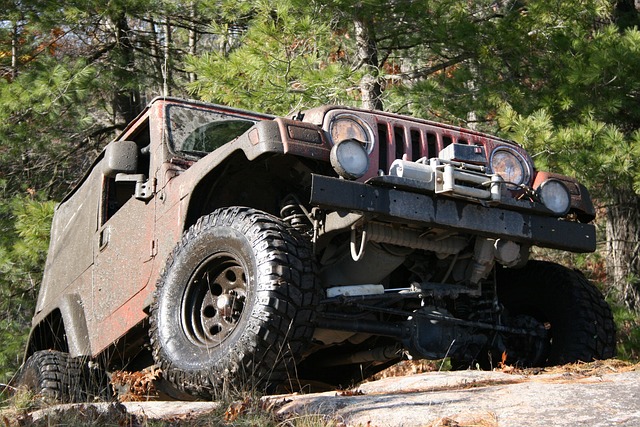
TL;DR: This guide provides a step-by-step approach to performing a Brownsville truck brake pad replacement, focusing on maximizing 4×4 performance and safety. We’ll cover everything from choosing the right pads to tips for installation, ensuring your vehicle stops confidently and efficiently off-road and on.
Brownsville Truck Brake Pad Replacement: A Key to Unlocking Enhanced 4×4 Performance
Brownville truck brake pad replacement is a crucial task for owners seeking to optimize their 4×4’s performance and safety, especially when navigating challenging terrain. This comprehensive guide delves into the process, offering insights tailored to the unique needs of Brownsville truck drivers who demand exceptional off-road capabilities. By understanding the fundamentals of brake pad selection, proper installation techniques, and maintenance practices, you can ensure your vehicle provides both powerful stopping power and reliable handling in any condition.
I. Understanding Your Brownsville Truck’s Braking System
Before diving into the replacement process, it’s essential to grasp the fundamental components and function of your truck’s braking system. The primary actors include:
1. Brake Pads: The Friction Fighters
Brake pads are crucial for converting the kinetic energy of your vehicle into heat through friction, ultimately slowing its movement. They work in conjunction with the brake rotor (disc) to provide consistent and powerful stopping power.
2. Brake Rotors: The Cool, Calm Discs
Rotors, or brake discs, are solid metal plates that rotate with your wheels. When you apply the brakes, pads press against the rotors, creating friction and slowing down the vehicle.
3. Calipers: The Mechanics of Pressure
Calipers house the brake pads and apply pressure to the rotors when you depress the brake pedal. Different caliper designs exist, including fixed and floating types, each with specific advantages for various driving conditions.
4. Master Cylinder: The Power Source
The master cylinder is where you exert force through the brake pedal. It translates this mechanical energy into hydraulic pressure, which ultimately activates the brakes at each wheel.
II. Choosing the Right Brake Pads for Your Brownsville Truck
Selecting the appropriate brake pads is a critical step in maximizing your truck’s performance and safety. Consider these factors:
1. Vehicle Compatibility
Ensure the pads you choose are compatible with your specific Brownsville truck model and year. Check your vehicle’s owner’s manual or consult with a professional for recommended pad types.
2. Performance vs. Durability Trade-Off
High-performance pads may offer superior stopping power but may wear down faster. Conversely, more durable pads might provide longer life but could compromise braking effectiveness in extreme conditions.
3. Material Composition
Brake pads are made from various materials, including organic, semi-metallic, and ceramic. Organic pads are generally less expensive but may offer lower performance. Semi-metallic pads strike a balance between performance and durability. Ceramic pads are quieter and provide excellent stopping power, though they can be more costly.
4. Weather Considerations
If you frequently drive in extreme temperatures or wet conditions, choose pads designed to perform optimally in those environments.
III. Step-by-Step Guide to Brownsville Truck Brake Pad Replacement
Performing a brake pad replacement yourself can save costs and provide valuable insights into your vehicle’s maintenance. Here’s a detailed breakdown of the process:
1. Safety First
Ensure your vehicle is securely parked on a level surface, apply the parking brake, and block wheels for added safety during the procedure.
2. Gather Tools and Parts
You’ll need standard automotive tools, including jack stands, wrenches, sockets, and ratchets. Purchase high-quality replacement pads suitable for your Brownsville truck from a reputable supplier.
3. Remove Wheels
Use a jack to lift the vehicle and place jack stands under the frame for safety. Remove the lug nuts with a wrench and take off the wheels.
4. Access the Brakes
Reattach the wheels temporarily to access the brake assembly. Depending on your caliper design, you might need to remove the caliper pins or brackets securing it to the rotor.
5. Remove Old Pads
Carefully pull out the old pads from the caliper. Note their orientation and take note of any wear patterns for reference when installing new ones.
6. Install New Pads
Align the new pads with the caliper and push them firmly into place until they click into position, ensuring a secure fit.
7. Reattach Caliper (if necessary)
Securely reinstall any removed caliper components, ensuring proper alignment and tight connections.
8. Replace Wheels and Lower Vehicle
Remount the wheels, tighten the lug nuts securely, and lower the vehicle from the jack stand.
IV. Post-Replacement Considerations for Optimal Performance
A successful brake pad replacement goes beyond installation. To ensure continued optimal performance:
- Test Drive: Take your truck on a scenic drive to allow the new pads to bed in, improving their braking effectiveness over time.
- Inspect Regularly: Regularly check your brake pads for wear and replace them before they reach minimum thickness requirements for safety.
- Maintain Proper Fluid Levels: Keep your brake fluid at the recommended level to ensure consistent brake performance.
- Listen for Unusual Noises: Pay attention to any abnormal sounds coming from your brakes, which may indicate issues requiring professional attention.
Conclusion: Reap the Benefits of a Powerful, Safe Stop
By following this comprehensive guide, you’ve empowered yourself to perform a Brownsville truck brake pad replacement with confidence. This crucial maintenance task not only extends the life of your braking system but also enhances your vehicle’s overall performance and safety on both paved roads and rugged terrain. Remember, well-maintained brakes are essential for confident driving in any environment.